
close
Choose Your Site
Global
Social Media
Views: 0 Author: Site Editor Publish Time: 2026-03-09 Origin: Site
Ammonia smell can ruin a clean home fast. Why do “fresh scent” litters fail so quickly?This article explains odor science inside the box. We focus on moisture, bacteria, and ammonia release.You’ll learn how pea fibers help Pea Husk Cat Litter. We’ll show practical steps to keep odor lower.
Cat urine contains nitrogen waste, and when it stays in a warm, moist litter environment bacteria can break it down and release ammonia gas, which creates the sharp “burning” odor most people recognize immediately. In practice, three factors push odor higher over time, and they include moisture, bacterial activity, and the time urine remains exposed, so if we reduce surface wetness and remove waste sooner we usually reduce odor faster than any scent additive can.
Cat urine contains nitrogen waste, and when it stays in a warm, moist litter environment bacteria can break it down and release ammonia gas, which creates the sharp “burning” odor most people recognize immediately. In practice, three factors push odor higher over time, and they include moisture, bacterial activity, and the time urine remains exposed, so if we reduce surface wetness and remove waste sooner we usually reduce odor faster than any scent additive can.
Ammonia odor forms when urine stays in a warm, moist litter box long enough for bacteria to break down nitrogen waste and release ammonia gas. Odor intensity usually rises with moisture, bacterial activity, and exposure time, so reducing surface wetness and removing waste faster works better than adding scent.
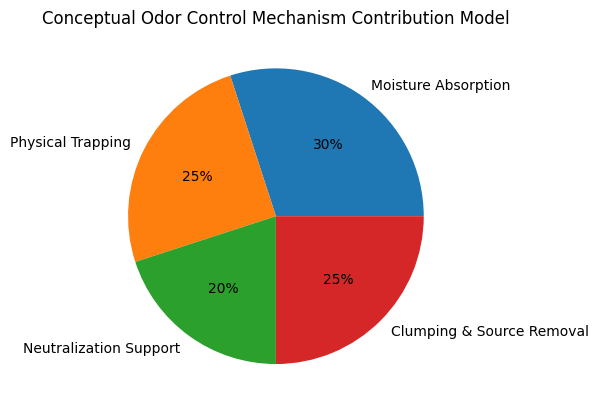
Pea fibers help in three main ways: they absorb moisture quickly to slow bacterial growth, trap odor molecules inside a porous fiber network to reduce airborne release, and work well with safe neutralizers like baking soda, zeolite, or activated carbon—so neutralization feels cleaner than heavy fragrance. Finally, fast clumping supports quick scooping, which shortens urine exposure time and removes the odor source before ammonia spikes.
Clay clumping litter often forms very hard clumps and feels familiar, but it is heavy and can produce dust depending on brand and handling, so some homes accept strong clumps as a trade for weight and dust. Pea Husk Cat Litter is usually lighter and often relies less on heavy fragrance, and it emphasizes fiber absorption and trapping rather than mineral swelling, so it can suit low-fragrance households, eco-conscious shoppers, and people who dislike hauling heavy bags, while clay may still suit multi-cat homes that want extremely firm clumps and do not mind the weight.
Silica crystals can hold moisture internally and release it slowly, which can extend use time in some conditions, but evaporation can still release odor and humidity can slow the drying process, so crystals sometimes plateau on odor control in damp rooms or enclosed boxes. Pea fiber litter focuses more on absorption plus trapping and benefits from active removal, so it often performs best when the household scoops consistently and maintains proper litter depth.
Plant-based litters vary by fiber source and binders, so cassava, tofu, wood, and pea fibers can behave differently in clump firmness, tracking, and odor rebound after 24 hours. When you evaluate performance, you should test odor after a full day rather than only the first hour, because many products smell fine immediately after pouring and the real difference shows up when bacteria have had time to act.
Litter Type | Primary Odor Strategy | Strengths | Limitations |
Clay Clumping | Mineral absorption + clump | Strong clumps and familiar texture for many users | Heavy bags and possible dust depending on brand |
Silica Crystal | Internal moisture retention | Longer use cycle for some homes | Odor may plateau in humidity or enclosed boxes |
Plant Fiber (Pea) | Fiber absorption + trapping | Lightweight and often lower reliance on fragrance | Needs consistent scooping to keep results stable |
Blended Plant Formula | Absorption + additives | Balanced performance when blend is well designed | Performance varies widely across brands |
Even the best litter can fail under poor setup, so it helps to keep 2–3 inches of litter depth for most homes, add an extra inch in multi-cat situations when clumps form too fast, and place the box where air can circulate rather than inside a sealed cabinet. If you use covered litter furniture, you should add ventilation where possible and avoid damp areas like laundry corners, because stagnant air and humidity make ammonia linger longer.
Scooping is the most powerful odor control tool because it removes the source before bacteria ramp up, so a daily scoop is a sensible baseline for one cat, while two cats often need two scoops per day and three-plus cats usually need morning and evening scoops plus spot checks. When odor persists, it is smarter to increase removal first rather than adding more scent, because removal targets formation while scent only changes perception.
A full litter change resets the bacterial load and clears residue, so you should empty the box fully, wash it using mild soap and warm water, rinse thoroughly, dry completely, and then refill to proper depth. You should also avoid dangerous cleaner combinations, especially bleach on ammonia residue, because it can create harmful gases, and a simple mild soap routine is often enough when done regularly.
If odor spikes suddenly, a quick diagnostic helps you avoid unnecessary product switching, so you should check if scooping decreased, litter depth shrank, clumps broke apart, diet or hydration changed, or hidden accidents occurred outside the box. For outside accidents, enzymatic cleaners are usually the best choice because they break down residues that keep odor “alive,” and cats often revisit areas where urine odor remains, which can create a loop that feels like “litter failure” even when the box is fine.
Baking soda can support odor neutralization in small doses, but heavy dosing can weaken clumps and increase dust, so a practical approach is to start around one to two tablespoons per box, mix it lightly into the top layer, and watch for clump crumble or cat refusal. If the cat avoids the box, you should stop additives immediately because behavior matters more than marginal chemical gains.
Activated carbon and zeolite can bind odor molecules well, so they often help in multi-cat homes, enclosed litter furniture, and humid environments, but you should apply them in thin layers because too much fine powder can affect clumping and tracking. A simple method is to sprinkle a light base layer after washing and drying the box, pour in fresh Pea Husk Cat Litter, and then add a very light top-dress after a few days if odor needs support.
For urine outside the box, enzymatic cleaners work best when you saturate the area fully, allow enough dwell time, and let it dry completely before judging results, because partial application often leaves deeper residue that reactivates odor later. Vinegar can reduce surface odor in some cases, but enzymes target organic residue deeper in carpet or fabric, which helps prevent repeat-marking cycles.
Marketing language can be vague, so it helps to convert claims into tests you can run, such as asking if odor control relies on trapping or neutralization, checking how firm clumps remain after 24 hours, confirming if fragrance is optional, and reviewing real user videos for dust and tracking behavior. A brand that explains mechanism clearly often earns more trust than a brand that relies only on big promises.
Different cats respond to texture and tracking differently, so kittens often do better with softer, lower-dust granules, seniors need stable footing and easy entry boxes, long-haired cats benefit from low-sticking formulas, and multi-cat homes need strong clump integrity plus frequent scooping. In many cases, Pea Husk Cat Litter fits buyers who want low fragrance and lighter handling, but it still requires consistent removal habits to shine.
Scenario | Primary Risk | What to Prioritize | Simple Setup Adjustment |
1 cat, small apartment | Odor lingers in enclosed air | Strong trapping and daily scooping | Place box near airflow, avoid sealed cabinets |
2 cats, shared box | Fast waste load and odor spikes | Firm clumps and twice-daily scooping | Increase depth slightly and scoop morning/evening |
Long-haired cat | Tracking and sticking | Low tracking formula and mat use | Add a litter mat and keep depth stable |
Humid room | Slow odor dissipation | Neutralizing support and ventilation | Use light carbon/zeolite layer and improve airflow |
Ammonia odor control is not about masking smell, because real control stops formation and limits release. Zhong Chong Hui (Xuzhou) Biotechnology Co., Ltd. emphasizes that effective control focuses on managing the source rather than covering it up. Pea fibers can help through rapid absorption, physical trapping, and compatibility with safe neutralizers, while clumping supports fast source removal. When paired with correct depth, consistent scooping, and safe cleaning, Pea Husk Cat Litter can deliver strong odor performance without heavy fragrance. The most honest test is a two-week routine where you track odor daily and adjust scooping habits before switching products.
A: It reduces ammonia formation/release instead of masking odor with fragrance.
A: Pea Husk Cat Litter uses fast absorption and fiber trapping, and can pair with safe neutralizers.
A: Pea Husk Cat Litter clumps lock waste quickly, so you can remove the source before odors spread.
A: Run a 2-week routine, track daily odor, then adjust depth and scooping before switching.
A: Increase litter depth, scoop more consistently, and use safe cleaning to limit ammonia release.


