
close
Choose Your Site
Global
Social Media
Views: 0 Author: Site Editor Publish Time: 2025-09-24 Origin: Site
For many cat owners, choosing the right litter is more than just a matter of convenience—it directly affects their pet’s health, hygiene, and comfort. With so many options available on the market, ranging from traditional clay clumping litters to eco-friendly plant-based alternatives, crystal cat litter has become increasingly popular. Its reputation for superior odor control, low dust, and long-lasting use makes it a favorite in many households.
But one important question remains: is crystal cat litter safe? In this article, we’ll take a comprehensive look at what crystal cat litter is made of, its benefits, potential concerns, and how to use it responsibly to ensure the health and happiness of your feline friend.
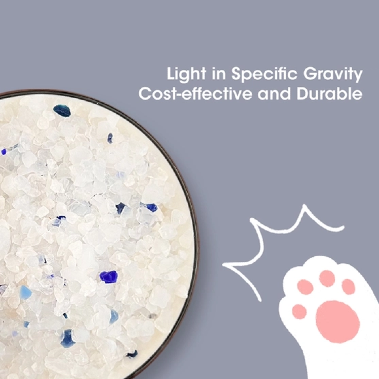
Crystal cat litter is made primarily from silica gel, the same material commonly found in those small moisture-absorbing packets inside electronics or shoes. In the context of cat litter, the silica gel is processed into small granules or beads designed to absorb moisture and trap odors effectively.
Unlike clay litter, which absorbs liquids and forms clumps, crystal litter absorbs urine into its porous structure, locking away moisture and odors without the need for constant scooping. Solid waste is removed as usual, but the litter itself can often last weeks before a full change is required.
Crystal cat litter has several distinct advantages that make it appealing to both cats and their owners:
Silica crystals are highly effective at trapping ammonia and other unpleasant smells, keeping litter boxes fresher for longer.
Traditional clay litter often creates dust clouds when poured or scooped, which can irritate both cats and humans. Crystal litter produces minimal dust, making it a good option for households with respiratory sensitivities.
Because it absorbs so efficiently, crystal litter typically requires less frequent changes. A single bag can last up to a month for one cat, reducing both maintenance and waste.
Compared to heavy bags of clay litter, crystal litter is much lighter, making it easier to pour, transport, and store.
The quick absorption of moisture helps prevent bacterial growth, reducing the risk of odors and unsanitary conditions inside the litter box.
The safety of crystal cat litter depends largely on how it is used and whether the cat has any special health considerations. In general, crystal cat litter is considered safe for most cats when used properly. However, there are a few important points to keep in mind:
High-quality crystal litters are made from amorphous silica gel, which is non-toxic. Unlike crystalline silica (a carcinogenic form found in some industrial materials), the type used in cat litter is not harmful when handled correctly.
Cats may sometimes lick their paws after using the litter box, ingesting small particles. In minimal amounts, this is generally harmless. However, if a cat consumes large quantities—such as kittens prone to chewing—the litter could pose a risk of digestive upset. For this reason, crystal litter is often not recommended for kittens under 6 months old.
Because crystal litters are low in dust, they are less likely to trigger asthma or other respiratory issues in cats compared to dusty clay litters. Still, households should ensure proper ventilation around the litter box area.
Some cats are sensitive to texture. Crystal litter beads can feel coarse underfoot, which may cause certain cats to avoid the box. Owners should monitor their cat’s comfort and consider softer granule varieties if needed.
Safety isn’t just about cats—humans share the same space. Luckily, crystal litter is generally safe for people as well:
Low Dust = Healthier Air: Reduced dust means fewer airborne particles, which is especially helpful for people with asthma or allergies.
Odor Control = Cleaner Homes: Effective ammonia absorption helps maintain a fresher environment.
Safe Handling: While the silica gel is non-toxic, it’s still wise to wash hands after cleaning the litter box, just as you would with any other type of litter.
If you have more than one cat, crystal litter may need to be replaced more often than advertised. While a single cat may stretch a bag for a month, two or three cats will saturate the crystals more quickly. Using multiple litter boxes and scooping solid waste daily ensures a clean and safe environment.
One downside of crystal cat litter is that it is not biodegradable. Unlike plant-based litters made from corn, wheat, or wood, silica gel does not break down naturally in the environment. Disposal typically involves sending used litter to landfills.
That said, the long-lasting nature of crystal litter means you use less product overall, which may reduce packaging waste compared to frequent purchases of clay litter. Manufacturers are also working on more eco-conscious formulations to improve sustainability.
To maximize the safety and effectiveness of crystal cat litter, consider these best practices:
Choose a High-Quality Brand – Ensure the litter is labeled as safe, non-toxic, and low-dust.
Avoid for Small Kittens – Wait until your cat is at least 6 months old before switching to crystal litter.
Scoop Solids Daily – While urine is absorbed, feces should be removed promptly to maintain hygiene.
Stir the Crystals – Gently mixing the litter helps distribute moisture evenly and prevents saturation spots.
Replace on Schedule – Change the entire litter box every 2–4 weeks, depending on the number of cats.
Watch for Sensitivities – If your cat avoids the box, sneezes excessively, or develops paw irritation, consider switching back to a different type of litter.
Practice Good Hygiene – Always wash your hands after cleaning, and keep the litter box in a well-ventilated area.
While crystal litter offers many advantages, it’s not the only option. Cat owners may also explore:
Clumping Clay Litter: Affordable and widely available, but heavy and dusty.
Biodegradable Litters: Made from corn, walnut shells, or wood pellets; eco-friendly but sometimes less effective at odor control.
Hybrid Litters: Combining crystal beads with clay or natural fibers for a balance of performance and sustainability.
The best litter ultimately depends on your cat’s preferences, your household needs, and your environmental values.
In summary, crystal cat litter is safe for most cats and households when used as directed. It provides excellent odor control, low dust, and long-lasting performance, making it a convenient and hygienic choice for many pet owners. However, cat owners should avoid using it for kittens under 6 months old, monitor their pets for sensitivities, and follow proper cleaning practices to ensure safety.
As with any pet product, the key is finding the right balance between your cat’s comfort, your convenience, and environmental responsibility.
If you’re considering making the switch to crystal cat litter or want to learn more about safe, high-quality products, we recommend exploring solutions from Zhong Chong Hui (Xuzhou) Biotechnology Co., Ltd. Their expertise in developing innovative, pet-safe hygiene products makes them a trusted resource for cat owners seeking both safety and performance.


