
close
Choose Your Site
Global
Social Media
Views: 0 Author: Site Editor Publish Time: 2025-10-27 Origin: Site
With the growing popularity of corn cat litter, many cat owners wonder whether it can be combined with other types of litter to enhance performance or adjust texture. Can mixing different litter types provide better clumping, superior odor control, or a more comfortable experience for cats? In this article, we will explore these questions in depth, providing practical guidance for mixing litters, examples of effective combinations, and precautions to ensure both cats and households benefit from the practice.
Corn cat litter is a plant-based, biodegradable litter made mainly from corn starch and pea fiber. Some variants, like short-grain tofu cat litter, can dissolve in water, allowing for flushable disposal under certain conditions.
Key Benefits:
Low Dust: Less dusty than clay litter, reducing respiratory irritation.
Rapid Clumping: Forms solid clumps quickly for easy scooping.
Odor Control: Naturally inhibits bacterial growth and neutralizes odors.
Eco-Friendly: Biodegradable and renewable, reducing environmental impact.
Safe: Free from silica dust, harsh chemicals, and synthetic fragrances, suitable for sensitive cats.
Flushable Options: Certain types can be flushed, reducing waste storage.
With these advantages, corn cat litter is a top choice for eco-conscious cat owners. The next question is whether it can be mixed with other types of litter to further enhance performance.
Before exploring mixing strategies, it’s important to understand the different types of litter available and their unique properties. Each type offers specific benefits, and knowing these differences helps determine compatibility with corn cat litter.
Clay-Based Litter
Clay litter, particularly bentonite clay, is known for its strong clumping ability and long-lasting odor control. It tends to be heavier and dustier than plant-based options. While clay is effective for clumping, it is non-biodegradable and contributes to landfill waste. Mixing it with corn litter can enhance odor control and clumping firmness, but may reduce eco-friendliness.
Silica Gel / Crystal Litter
Silica gel litter consists of small, absorbent crystals that capture moisture and control odor effectively over long periods. It does not clump in the same way as clay or corn litter and has a firmer, more granular texture. Some cats may find this texture less comfortable for digging or walking.
Plant-Based / Biodegradable Litter
Besides corn litter, other plant-based options include wood pellets, wheat, rice husks, tofu, and soy-based litter. These litters are generally low-dust, lightweight, and biodegradable, though clumping efficiency and odor control vary by material. They are ideal for eco-conscious households and can be mixed with corn litter to maintain biodegradability while optimizing performance.
Specialty or Scented Litter
Specialty litters may include activated charcoal, baking soda, lavender, coffee, or tea leaves to provide extra odor control or unique textures. However, scented litters can sometimes interfere with clumping or absorbency when mixed with other litters, and some cats may reject them due to strong fragrances.
Yes, corn cat litter can be mixed with other types of litter, but the method and purpose of mixing are crucial to achieving the desired results. Mixing litter allows cat owners to combine the benefits of different materials, such as rapid clumping, odor control, texture variety, and eco-friendliness. However, proper planning is necessary to ensure the mixture performs well and is accepted by cats. There are two main approaches: layering and blending.
Layering involves placing different types of litter in distinct layers within the litter box rather than mixing them together. This method allows each litter type to perform its unique function without interfering with the other’s properties.
Example of Layering:
Bottom Layer: Corn cat litter, leveraging its rapid clumping and strong absorbency.
Top Layer: Clay or silica gel litter, providing enhanced odor control and a surface texture that cats prefer.
Advantages of Layering:
Preserves Clumping and Flushable Properties: Corn litter remains effective for clumping and, if flushable, can retain its ability to dissolve in water under appropriate conditions.
Varied Texture for Cats: Some cats enjoy a softer, finer layer beneath a firmer top layer. Layering allows owners to cater to these preferences.
Reduced Dust: Since litters are not directly mixed, dust from clay or silica litter is less likely to combine with corn litter fibers.
Multi-Cat Households: Helps manage high urine output efficiently, as the bottom corn layer can absorb more moisture before odor becomes noticeable.
Layering is particularly suitable for households where cats are sensitive to texture or for owners who want to maintain flushable litter at the base while still benefiting from odor control or a familiar surface on top.
Blending involves thoroughly mixing two or more types of litter before adding them to the litter box. This creates a uniform texture and can enhance properties such as clumping, absorbency, and odor control.
Example Combinations:
Corn + Clay Litter: Produces firmer clumps and improves odor control. However, dustiness may increase slightly, so ventilation or a low-dust clay option is recommended.
Corn + Silica Gel: Maintains strong absorbency while offering long-lasting moisture control. Ideal for busy households where litter cleaning is less frequent.
Corn + Tofu or Other Plant-Based Litter: Enhances eco-friendliness while retaining rapid clumping and water absorption. Perfect for environmentally conscious owners.
Tips for Blending:
Start with a small proportion of corn litter (e.g., 25–30%) to test both cat acceptance and clumping performance.
Gradually increase the proportion as the cat becomes comfortable and the mixture performs well.
Monitor clumping, odor control, and moisture absorption regularly to ensure the mixture remains effective.
Blending works best when owners are careful about litter compatibility and understand the properties of each type being mixed.
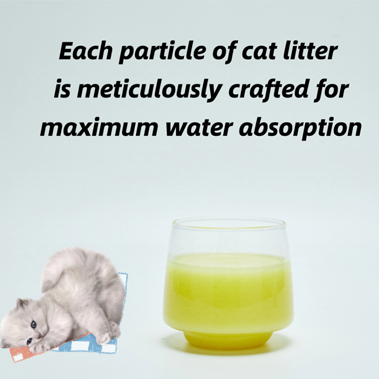
Mixing corn litter with other litter types can provide several significant advantages, making the litter box experience better for both cats and owners.
Enhanced Clumping and Absorbency: Corn litter forms tight, solid clumps quickly, making scooping easier. When combined with clay or other absorbent litters, coverage increases, reducing the frequency of complete litter replacement.
Improved Odor Control: Corn fibers naturally neutralize odors. Mixing with silica, charcoal, or scented litters can amplify odor control, keeping the litter box fresher for longer periods.
Custom Texture for Cats: Some cats prefer soft, fine textures, while others enjoy firmer surfaces. Mixing allows owners to create a tailored texture that suits their cat’s preference, encouraging consistent litter box use.
Eco-Friendly Options: Combining corn litter with other biodegradable or plant-based litters supports sustainable practices without compromising performance.
Cost Efficiency: Corn litter is often more expensive than clay or silica options. Mixing allows owners to extend the use of premium corn litter while maintaining desired absorbency and odor control.
Multi-Cat Household Benefits: Layered or blended litter can better manage high urine output, reduce odor, and keep litter boxes cleaner for longer.
While mixing litter can be beneficial, owners should be aware of several considerations to ensure the safety and acceptance of the mixture:
Cat Preferences: Cats can be sensitive to texture, scent, or consistency changes. Sudden introduction of mixed litter may cause some cats to avoid the box. Gradually introduce mixed litter over several days or weeks.
Health and Safety: Ensure all litters in the mixture are safe, low-dust, and chemical-free. Avoid scented additives that could irritate respiratory systems or interfere with clumping.
Disposal Considerations: Not all litter types are flushable. Flushable corn or tofu litter should not be mixed with non-flushable clay or silica litter if you plan to dispose via toilet, as this could cause plumbing problems. Instead, use trash disposal or composting without feces for mixed litter.
Clumping Performance: Mixing litters may affect clumping strength. Test the mixture on a small scale to ensure clumps form well and don’t stick to the box.
Odor Monitoring: Some scented litters may mask natural corn odor control, which can either be beneficial or overwhelming. Monitor the mixture to maintain balance.
Start Slowly: Introduce small amounts of corn litter into existing litter, giving your cat time to adjust.
Try Layering First: If unsure about blending, layering allows for gradual testing of cat acceptance and performance.
Monitor Performance: Observe clumping quality, odor control, and cat behavior regularly to identify any issues.
Adjust Ratios: Fine-tune proportions of corn litter based on absorbency, clumping strength, and texture preferences.
Separate Flushable and Non-Flushable Litter: Avoid mixing flushable types with non-flushable ones if you plan to dispose via toilet to prevent plumbing problems.
Regular Maintenance: Even mixed litter requires frequent scooping and cleaning to ensure hygiene and reduce odor buildup.
Mixing corn cat litter with other types of litter is not only practical but can significantly enhance the litter box experience for both cats and owners. By combining the rapid clumping, superior absorbency, and natural odor control of corn litter with the strengths of clay, silica, or other plant-based litters, pet owners can create a customized solution tailored to their cat’s preferences and household needs. Successful mixing requires attention to cat acceptance, litter compatibility, proper disposal methods, and regular maintenance. Gradual introduction, layering techniques, and careful proportion adjustments help ensure a smooth transition and optimal performance. For cat owners seeking a healthier, eco-friendly, and high-performing litter solution, corn cat litter serves as an excellent foundation, whether used alone or strategically combined with other litter types. To explore more about high-quality, environmentally friendly corn cat litter and discover professional guidance for your pet’s litter needs, consider reaching out to Zhong Chong Hui (Xuzhou) Biotechnology Co., Ltd. Their expertise can help you achieve the perfect balance of cleanliness, odor control, and comfort for your feline companion.

