
close
Choose Your Site
Global
Social Media
Views: 0 Author: Site Editor Publish Time: 2026-03-07 Origin: Site
Cats breathe close to the floor, and dust rises each time they dig in the litter box. For cats with asthma, even small particles can trigger coughing or wheezing. Is Pea Husk Cat Litter truly safe for sensitive lungs? In this article, you will learn about its safety, key benefits, and how to switch wisely.
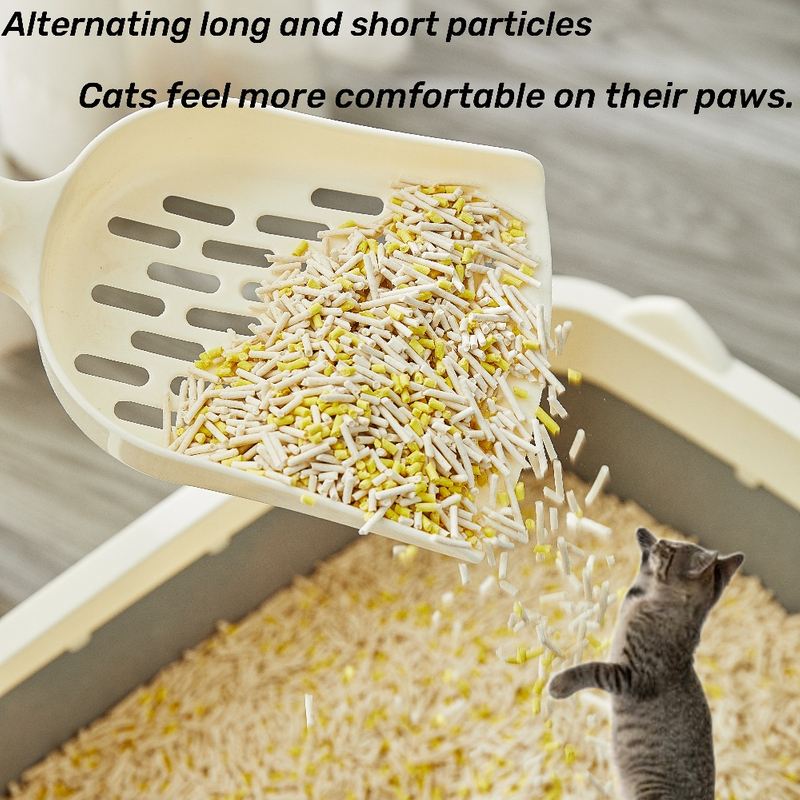
Safety in this context does not simply mean non-toxic. True safety for respiratory-sensitive cats includes reducing airborne irritants and maintaining stable air quality in the home.
A litter suitable for sensitive cats should:
● Produce minimal airborne dust when poured or scooped
● Contain no artificial fragrance or chemical deodorants
● Lock in urine quickly to reduce ammonia fumes
● Maintain consistent clumping performance
● Encourage normal litter box behavior
Ammonia is particularly important. When urine breaks down, ammonia gas forms. It irritates mucous membranes in both cats and humans. Strong odor control is therefore directly linked to respiratory comfort.
High-quality Pea Husk Cat Litter is typically made from natural pea fiber. Zhong Chong Hui (Xuzhou) Biotechnology Co., Ltd. uses premium pea fiber to create a product that boasts powerful absorbency and excellent odor control.
Its strong moisture-locking ability traps urine rapidly. That keeps the litter surface dry and limits ammonia release. A drier box creates cleaner air.
Additionally, this litter is less prone to spoilage and acidification. Stability reduces unwanted chemical changes that may produce unpleasant odors. This supports better surrounding air quality, especially in smaller apartments.
One of its most important features for respiratory-sensitive cats is minimal dust. During pouring and digging, low dust output reduces inhalation of fine particles. This protects not only the respiratory system but also the urinary tract, which can react to environmental irritants.
Even high-quality plant-based litter requires monitoring. If your cat shows increased coughing, wheezing, or open-mouth breathing after switching, pause use immediately.
Watch for:
● Persistent sneezing
● Refusal to enter the litter box
● Changes in breathing rhythm
● Lethargy after litter visits
If symptoms continue, consult a veterinarian. Litter adjustments support respiratory care but do not replace medical treatment.
Clay litter remains popular due to its strong clumping ability and odor control. However, it frequently produces visible dust during handling. That dust may contain crystalline silica (validation required), which has raised long-term respiratory concerns.
Below is a direct comparison:
Feature | Pea Husk Cat Litter | Clay Litter |
Dust Output | Generally low | Often moderate to high |
Silica Content | None | Present |
Weight | Lightweight | Heavy |
Environmental Impact | Plant-based | Mined mineral |
Flushability | Some formulas | Not flushable |
For respiratory-sensitive cats, dust reduction is often the decisive factor.
Silica crystal litter absorbs moisture effectively. However, crystal granules may feel sharp to some cats. When disturbed, fine fragments can irritate airways.
Pea Husk Cat Litter provides a softer texture. It also maintains clumping performance, unlike crystal litter which absorbs without forming scoopable clumps.
Other plant-based litters include corn, wheat, or wood fiber. Performance varies widely. Some may break down faster in humid environments. Others may produce powder if processed poorly.
Pea fiber litter from Zhong Chong Hui shows strong structural integrity. Its lower tendency toward spoilage and acidification improves shelf stability and odor management.
Litter Type | Dust Risk | Odor Control | Texture Comfort | Respiratory Suitability |
Clay | Moderate–High | Strong | Familiar | Moderate risk |
Silica Crystal | Low–Moderate | Strong | Hard | Variable |
Corn/Wheat | Variable | Moderate | Soft | Depends on quality |
Pea Husk | Low | Strong | Soft | Often favorable |
Importers should evaluate dust metrics and stability testing before positioning litter as respiratory-friendly.
Marketing language can be misleading. Focus on measurable features.
Look for:
● “Unscented” clearly stated
● Natural pea fiber composition
● Strong absorbency claims
● Low dust processing
● Clear clumping description
Avoid vague fragrance claims like “mountain fresh.”
Pellet forms often produce less airborne dust. Granular forms may mimic traditional clay texture. Cats accustomed to clay may adapt more easily to granules.
If respiratory sensitivity is severe, pellets may provide better dust control.
Perform a simple test at home. Pour the litter into a clean box under natural light. Observe visible dust. Minimal cloud formation suggests good quality.
Monitor your cat for seven days:
● Observe breathing pattern
● Note coughing frequency
● Track litter box usage
● Check for nasal discharge
Stable breathing and consistent habits suggest compatibility.
Zhong Chong Hui’s pea fiber litter boasts excellent odor control capability. Instead of masking odor with fragrance, it manages smells within the litter box by locking moisture quickly.
Strong absorbency keeps the litter bed dry. Dryness directly limits ammonia production. Cleaner air benefits respiratory-sensitive cats and their owners.
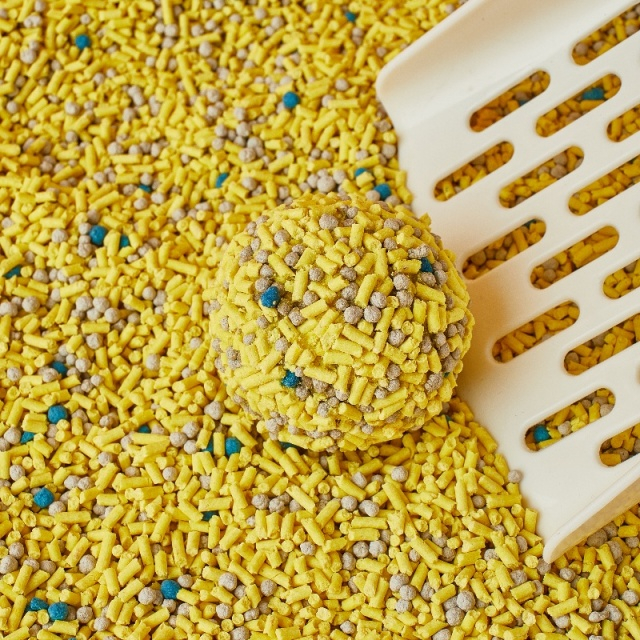
Powerful clumping simplifies maintenance. Firm clumps prevent breakage during scooping. This reduces leftover fragments that can generate odor or dust.
Benefits of strong clumping include:
● Faster daily cleaning
● Less litter waste
● Reduced odor rebound
● Improved hygiene consistency
For multi-cat households, this reliability is essential.
One standout feature is flushability. This Pea Husk Cat Litter can be flushed directly down the toilet, eliminating separate waste sorting. Always confirm plumbing regulations before flushing.
Flushability reduces garbage handling and supports eco-conscious living. However, moderation is important. Only small clumps should be flushed at a time.
Cats dislike sudden environmental changes. Gradual mixing minimizes stress.
Suggested plan:
● Days 1–3: 75% old litter, 25% pea husk
● Days 4–7: 50% old, 50% pea husk
● Days 8–14: 25% old, 75% pea husk
Alternatively, place two boxes side by side.
Maintain 2–3 inches of litter depth. Place boxes in well-ventilated areas. Avoid sealed cabinets without airflow.
Scoop daily to maintain dryness. Replace litter fully as recommended.
If clumps feel soft, increase litter depth slightly. If odor appears, scoop more frequently. If your cat hesitates, extend the transition period.
If coughing worsens significantly, discontinue and seek veterinary advice.
Cats with asthma or chronic allergies often benefit from reducing airborne irritants in their environment. Although Pea Husk Cat Litter is not a medical treatment, its low-dust characteristics may help support cleaner indoor air and reduce potential respiratory triggers (validation required). It can also be a practical choice for multi-cat homes, where high absorbency and strong clumping performance are essential for managing larger waste volumes and maintaining consistent odor control. In addition, allergy-prone owners may appreciate the reduced dust exposure, since humans inhale litter particles as well. This dual respiratory benefit—for both pets and people—makes it especially appealing in health-conscious households seeking safer, low-dust litter solutions.
Pea Husk Cat Litter may cost more per bag than clay. However, cost per month depends on clumping efficiency and waste reduction.
Calculate:
● Bag price
● Average consumption
● Replacement frequency
Strong absorbency often reduces overall usage.
Pea fiber is plant-derived and renewable. Compared to clay mining, plant-based production may have lower ecological impact (validation required). Flushability also reduces landfill volume when used responsibly.
Always follow local plumbing guidelines before flushing. Never compost cat waste for food crops. Dispose responsibly to protect sanitation systems.
So, is Pea Husk Cat Litter safe for cats with respiratory sensitivities? When manufactured from high-quality natural pea fiber, processed for minimal dust, and offered in unscented formulas, it can be a strong and responsible choice.
Products like those from Zhong Chong Hui (Xuzhou) Biotechnology Co., Ltd. combine powerful absorbency, excellent odor control, minimal dust output, and convenient flushability. These features work together to protect indoor air and simplify daily maintenance.
The key steps remain simple: choose unscented low-dust formulas, transition gradually, monitor your cat’s breathing, and consult a veterinarian when needed.
Cleaner air supports healthier breathing. Thoughtful litter selection makes a measurable difference.
A: Yes, Pea Husk Cat Litter is often low dust and unscented, which may reduce airborne irritants for sensitive cats.
A: Pea Husk Cat Litter typically produces less dust and contains no silica, making it gentler on respiratory systems.
A: Pea Husk Cat Litter locks in moisture quickly, helping reduce ammonia fumes and keep air fresher.
A: If dust levels are minimal, Pea Husk Cat Litter is unlikely to trigger coughing, though sensitive cats should be monitored.


