
close
Choose Your Site
Global
Social Media
Views: 0 Author: Site Editor Publish Time: 2026-03-14 Origin: Site
Think switching litter is easy? Many cat owners quickly learn it is not, because cats react strongly to change, especially in their litter box.
If you plan to switch to Pea Husk Cat Litter, you may want less dust, better odor control, or a more sustainable option, yet sudden changes can cause stress or litter box avoidance.
In this article, you will learn how to switch safely and gradually without disrupting your cat’s routine.

Understanding feline behavior is essential before making any changes. Cats are creatures of habit, and their comfort depends heavily on consistency.
A litter box carries familiar scent cues that help cats feel secure. When you replace the litter abruptly, you remove those familiar markers, which may cause confusion or anxiety. Unlike humans, cats rely strongly on scent memory to define safe territory. Even if the new litter performs better in odor control, your cat may perceive it as foreign and potentially unsafe.
Because Pea Husk Cat Litter is plant-based, it may have a slightly different scent profile or texture compared to clay litter. Even small sensory differences matter to cats, so the transition must respect their behavioral instincts.
Most cats prefer soft, sand-like substrates that resemble natural soil. Fine clay litter often meets that expectation, which explains its widespread acceptance. Pea Husk Cat Litter is typically softer than wood pellets and lighter than traditional clay, but its texture may still feel different under your cat’s paws.
Cats evaluate litter by digging, shifting weight, and testing the surface before elimination. If the texture feels too coarse or unfamiliar, hesitation may occur. Choosing a fine-grain, unscented version increases the chance of acceptance.
When litter changes happen overnight, cats may respond with avoidance behaviors such as sniffing excessively, perching on the box edge, scratching outside the box, or walking away without eliminating. In some cases, accidents may occur elsewhere in the home. Once avoidance begins, it can develop into a learned habit that is difficult to reverse. Gradual introduction significantly reduces this risk.
A structured transition process is the most reliable way to switch to Pea Husk Cat Litter successfully. The following steps are based on behavioral principles and practical experience from pet owners and veterinary recommendations.
Before introducing anything new, assess your current litter situation carefully. Consider whether your cat uses clumping or non-clumping litter, whether it is scented or unscented, and how deep the litter layer typically is. Most cats prefer a depth of two to three inches, which allows proper digging and covering.
If your cat currently uses unscented clumping clay, select an unscented clumping Pea Husk Cat Litter with similar granule size. Matching familiar characteristics reduces the sensory shock of change. Also ensure the litter box is thoroughly cleaned before beginning the transition, since leftover odors can influence acceptance.
The safest way to introduce Pea Husk Cat Litter is by mixing it gradually into the existing litter. Start with a ratio of approximately 75% old litter and 25% Pea Husk Cat Litter. Mix thoroughly so the surface texture feels uniform rather than layered.
Maintaining consistent litter depth is important, since a sudden change in depth can be as disruptive as a change in material. Your cat may sniff more than usual during the first few days, but this reaction is normal. Avoid reacting emotionally or drawing attention to the change, since calm behavior from you encourages calm behavior from your cat.
Every two to three days, increase the proportion of Pea Husk Cat Litter while decreasing the old litter. A gradual schedule often works well, as shown below:
Day Range | Old Litter | Pea Husk Cat Litter |
Day 1–3 | 75% | 25% |
Day 4–6 | 50% | 50% |
Day 7–9 | 25% | 75% |
Day 10+ | 0% | 100% |
Observe your cat’s comfort level before increasing the ratio. If hesitation or mild stress appears, maintain the current ratio for a few additional days. Rushing the process increases the likelihood of rejection.
Your cat’s behavior provides real-time feedback about the transition. Positive indicators include normal digging, covering waste consistently, and exiting the box calmly. Warning signs include perching on the box edge, refusing to dig, eliminating outside the box, or grooming excessively after use.
Mild curiosity is acceptable, but persistent avoidance requires slowing down the process. Adjust the ratio if necessary and allow additional time for adaptation.
Some cats respond better when given control over the transition. In this case, place a second litter box nearby that contains 100% Pea Husk Cat Litter while keeping the original box unchanged. This allows voluntary exploration without pressure.
If your cat begins using the new box consistently for several days, you can gradually phase out the old one. This method works especially well for anxious cats or households with multiple pets.
Maintain consistent feeding schedules and cleaning routines throughout the transition. Scoop daily, and increase frequency if odor becomes noticeable. Avoid over-praising or creating excitement around litter box use, since excessive attention may create tension.
Consistency builds trust, and trust reduces stress.
Even well-intentioned owners sometimes make mistakes during transitions.
Replacing the litter overnight removes familiar scent markers immediately and often triggers avoidance. Changing both the litter and the litter box simultaneously compounds stress by altering multiple environmental variables at once. Ignoring subtle warning signs such as hesitation or reduced digging may allow small issues to escalate into larger behavioral problems. Using strongly scented litter to mask odor may overwhelm sensitive cats, since odor issues usually stem from cleaning frequency rather than litter type.
Understanding how Pea Husk Cat Litter compares to alternatives can clarify expectations.
Feature | Pea Husk Cat Litter | Clay Litter | Wood Pellet Litter |
Dust Level | Typically lower | Moderate to high | Very low |
Weight | Lightweight | Heavy | Moderate |
Texture | Soft, plant-based | Fine sand-like | Coarse pellets |
Sustainability | Biodegradable | Mined material | Renewable wood |
Clumping | Natural clumping | Strong clumping | Breaks into sawdust |
Clay litter often forms very firm clumps, but it is heavier and less environmentally friendly. Wood pellets produce minimal dust but may feel too coarse for some cats. Pea Husk Cat Litter offers a balance between softness, sustainability, and odor control.
In multi-cat households, performance depends heavily on scooping frequency and litter box quantity. Adding one extra box beyond the number of cats improves overall hygiene and reduces territorial tension.
Kittens require careful monitoring, since they may experiment by tasting litter. Choose fine-texture, unscented formulas and observe behavior closely during the first week. Senior cats may benefit from softer litter surfaces due to joint sensitivity, and they often require a slower transition timeline. In multi-cat households, stagger transitions if necessary to avoid overwhelming all cats simultaneously.
If accidents begin occurring regularly or your cat refuses to enter the box, slow down immediately. Return to the previous ratio and allow several days of stability. Most cats adjust within 7 to 14 days, but some require more time. If elimination patterns change suddenly or signs of discomfort appear, consult a veterinarian to rule out medical causes such as urinary infections.
Once the transition is complete, the benefits often become clear. Pea Husk Cat Litter is biodegradable and plant-derived, which reduces landfill impact compared to clay-based products. Lower dust levels may improve indoor air quality, benefiting both cats and owners. Its lighter weight makes transportation easier and reduces physical strain during lifting and storage.
For retailers and distributors, plant-based litter aligns with growing consumer demand for sustainable pet products, which continues to increase globally (validation required).
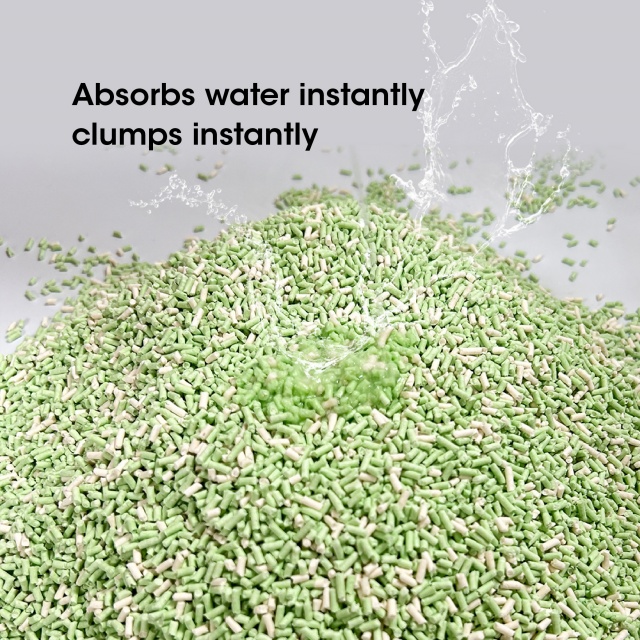
Switching litter requires patience, structure, and observation, but it does not need to be stressful. A gradual, thoughtful approach protects your cat’s comfort and preserves established habits. Pea Husk Cat Litter, produced by Zhong Chong Hui (Xuzhou) Biotechnology Co., Ltd., offers environmental and practical advantages, and most cats adapt successfully when the transition is handled carefully. By moving slowly, watching behavior closely, and maintaining consistency, you can help your cat adjust smoothly while creating a cleaner and more sustainable home environment.
A: Pea Husk Cat Litter is a plant-based litter made from processed pea fiber, designed to clump naturally while reducing dust and environmental impact.
A: Mix Pea Husk Cat Litter gradually with your current litter over 7–10 days, increasing the ratio slowly while monitoring your cat’s behavior.
A: Pea Husk Cat Litter offers lower dust, lighter weight, and biodegradable materials, which appeal to eco-conscious and health-focused owners.
A: Pea Husk Cat Litter may cost slightly more upfront, but its lightweight formula and efficient clumping can reduce overall usage.
A: If your cat avoids Pea Husk Cat Litter, slow the transition, revert to a previous ratio, and reintroduce it gradually.


