
close
Choose Your Site
Global
Social Media
Views: 0 Author: Site Editor Publish Time: 2025-10-23 Origin: Site
Cats are cherished members of millions of households worldwide, and ensuring a clean, safe, and comfortable litter box environment is crucial for their health and overall well-being. Among the numerous types of cat litter available in the market today, corn cat litter has become a top choice for many cat owners seeking both performance and sustainability. Unlike traditional clay litter, which is mined from the earth, non-renewable, and non-biodegradable, corn cat litter is biodegradable, plant-based, and derived from renewable agricultural resources. It is primarily made from pea fiber and cornstarch, which offer strong water absorption capabilities.
The appeal of corn cat litter goes beyond environmental benefits. Its rapid absorption, strong clumping, natural odor control, low dust production, and flushable options make it a highly practical solution for households with one or more cats. Cats of all ages, including kittens, senior cats, or those with respiratory sensitivities, can safely use this litter. However, the effectiveness of corn cat litter depends heavily on how it is stored. Improper storage can lead to reduced clumping, compromised odor control, contamination, pest infestation, and even health risks for both pets and humans.
Despite being a natural and biodegradable product, corn cat litter is sensitive to environmental factors such as moisture, air exposure, and temperature fluctuations. Understanding the reasons why proper storage is important will help you maintain its freshness, clumping ability, and odor control.
Corn cat litter is highly absorbent due to its cornstarch and pea fiber composition. While this property is ideal for clumping and urine absorption, it also makes the litter susceptible to moisture from the air or accidental contact with liquids. Exposure to humidity can cause premature clumping within the storage container, which makes it difficult to scoop later and can lead to mold or bacterial growth. Moist litter can develop unpleasant odors and create unsanitary conditions, both of which can negatively impact your cat's health and the overall hygiene of your home.
Extended exposure to air can reduce the litter's absorbency and clumping efficiency. Corn fibers are naturally hygroscopic, meaning they attract and hold water molecules. If stored in open containers or improperly sealed bags, the litter may lose its natural moisture-absorbing properties over time, resulting in weaker clumps and diminished odor control. Additionally, airborne contaminants such as dust or dirt can mix with the litter, further affecting its performance.
Being plant-based, corn cat litter can attract insects, rodents, or other pests if not stored properly. Pests are drawn to the organic material in the litter, potentially contaminating it with bacteria or other pathogens. Moreover, storing litter near cleaning chemicals, detergents, or other substances with strong odors can interfere with the litter’s natural ability to neutralize odor, making the litter box less effective.
Corn cat litter naturally inhibits bacterial growth and neutralizes odors due to the properties of pea fiber and other plant-based additives. Improper storage can compromise these features, making the litter box less pleasant for both cats and humans. To ensure consistent performance, proper handling and storage practices are critical.
To maintain the freshness, clumping ability, and odor control of corn cat litter, several environmental and practical factors must be considered. Storing the litter under ideal conditions ensures that it continues to perform effectively over time.
Store corn cat litter in a cool and dry area, away from direct sunlight or sources of heat such as stoves, radiators, or heating vents. High temperatures can degrade the natural fibers in the litter, reducing clumping efficiency and absorption capacity. A stable, moderate temperature is optimal to maintain the litter’s natural properties.
The litter should be stored in a location with low to moderate relative humidity. Avoid damp basements, bathrooms, or laundry rooms where humidity is high, as moisture can lead to premature clumping, mold growth, and foul odors. A well-ventilated room with consistent air circulation is ideal for preserving litter quality.
Choosing the right container is essential for maintaining freshness. Airtight and clean storage containers help prevent moisture, dust, pests, and contaminants from compromising the litter. Proper containers also make scooping easier and more hygienic.
While litter should be kept secure, it should also be easily accessible for daily use. A convenient storage location allows for quick refills and regular maintenance without compromising hygiene or risking accidental spills.
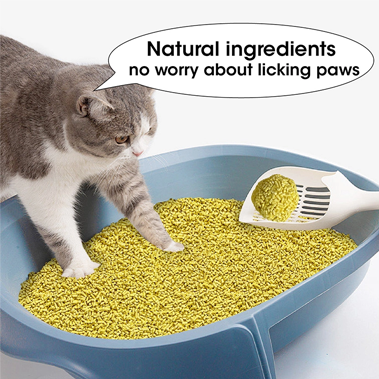
Selecting an appropriate storage container can greatly influence the performance and longevity of corn cat litter. Here are the most effective options:
Plastic storage bins with tight-fitting lids are among the most popular options for households. These bins prevent air and moisture from entering, keep pests out, and allow for convenient scooping directly from the container. For homes with multiple cats or high litter usage, large bins can store sufficient quantities, minimizing frequent refills.
Many brands package corn cat litter in heavy-duty bags. Immediately resealing the bag after use helps maintain the litter’s natural properties. Some bags feature zip-lock seals or adhesive closures, ensuring an airtight environment.
Some manufacturers provide storage boxes designed specifically for cat litter. These boxes often come with airtight seals, odor-reducing filters, and convenient scooping access. They are particularly useful for households looking to reduce odor while keeping litter organized and easy to use.
Even when using proper storage containers, daily practices play a crucial role in maintaining the quality, performance, and hygiene of corn cat litter. Proper handling ensures that the litter remains fresh, clumps effectively, and controls odors naturally over time.
Avoid Strong Odors and Chemicals: Corn fibers are highly absorbent and can easily pick up surrounding smells. Keep the litter away from cleaning agents, detergents, air fresheners, and other strong-smelling substances. Exposure to such odors can compromise the litter’s natural odor-control properties and may make it less appealing to your cat.
Preserve Original Packaging: Placing the original litter bag inside a secondary airtight container helps retain the manufacturer’s freshness, prevents contamination, and protects the litter from moisture. This dual-layer protection is particularly important for plant-based litter like corn, which is more sensitive to environmental changes compared to clay litter.
Regularly Inspect Litter: Before adding litter to the box, check for any signs of moisture, clumping, unusual odors, or foreign debris. Removing compromised portions immediately helps maintain hygiene and prevents bacteria or mold growth.
Rotate Stock and Storage Safety: Use older litter first to avoid waste and maintain consistent performance. Always store containers in a secure location out of reach of children and pets, even though corn litter is non-toxic, to prevent accidental ingestion.
Maintain Clean Containers: Regularly clean storage bins before refilling with fresh litter to remove dust, residues, or microbial buildup.
Proper handling of open litter bags reduces dust, spillage, and contamination:
Step 1: Clean the Container: Ensure the storage container is dry, sanitized, and free from residues before adding new litter.
Step 2: Transfer Carefully: Pour litter slowly to minimize dust and spillage. Using a scoop or funnel can help.
Step 3: Seal Immediately: Close the container tightly to maintain freshness.
Step 4: Label the Container: Include litter type, purchase date, or expiration to manage stock effectively.
Corn cat litter generally has a shelf life of 6–12 months, depending on brand, storage conditions, and exposure to environmental factors. Storing litter properly ensures that it remains effective throughout this period.
Long-term storage, particularly under improper conditions, can reduce clumping, absorption, and odor control. Moisture exposure may promote mold or bacterial growth, compromising litter quality and hygiene.
For households purchasing corn cat litter in bulk or storing litter seasonally:
Use airtight containers away from heat, sunlight, and humidity.
Practice stock rotation to use older litter first.
Avoid stacking bags directly on damp floors, which can transfer moisture into the litter.
Inspect litter before use, especially if stored for extended periods.
Proper storage of corn cat litter is essential for maintaining its freshness, clumping ability, odor control, and overall hygiene. By keeping litter in cool, dry, airtight containers away from direct sunlight, heat sources, and strong odors, cat owners can ensure consistent performance. Daily handling practices such as careful transfer, stock rotation, and container cleaning further prolong the litter’s shelf life and effectiveness.
Corn cat litter is an excellent solution for households seeking eco-friendly, safe, and high-performing litter. Its natural composition, strong absorption, rapid clumping, and odor control provide a healthier and more comfortable environment for cats. For those looking to ensure consistently fresh and effective corn cat litter, reputable manufacturers such as Zhong Chong Hui (Xuzhou) Biotechnology Co., Ltd. offer high-quality options. By combining quality litter with proper storage techniques, pet owners can enjoy hygiene, convenience, cost efficiency, and a happier, healthier home for their feline companions.

