close
Choose Your Site
Global
Social Media
Views: 0 Author: Site Editor Publish Time: 2026-06-15 Origin: Site
Sourcing bulk pet litter internationally presents a unique challenge. Buyers must carefully balance heavy shipping weights against rigorous quality control. You need strict management over dust levels, clumping efficacy, and odor control. A single poor shipment can severely damage customer trust.
The gap between a verified manufacturer and a middleman trading company often dictates success. Choosing the wrong partner can ruin your private-label pet brand. Inconsistent batches lead to high return rates. Identifying a capable partner ensures long-term brand viability.
This guide provides a direct, evaluation-focused framework. You will learn how to audit and partner with reliable factories overseas. We prioritize supply chain stability and product consistency above all else. Following these steps ensures your operations remain resilient and profitable.
Direct partnerships with a verified China litter manufacturer reduce margin dilution and provide critical access to OEM/ODM custom formulation.
Evaluating a cat litter exporter requires looking beyond pricing to assess raw material sourcing, dust-extraction technology, and clumping performance metrics.
Successful bulk pet litter imports hinge on transparent MOQs, verified quality certifications (SGS, ISO), and optimized freight planning due to the product's high weight-to-value ratio.
Thorough factory vetting—including sample testing and independent audits—is mandatory to avoid trading company markups and inconsistent batches.
Retailers and regional distributors need scalable margins. They must achieve profitability without sacrificing end-user satisfaction. Success relies heavily on consistent product performance. You also need reliable production lead times to prevent stockouts. A direct partnership ensures your bulk pet litter margins remain healthy while protecting brand equity.
China possesses established raw material supply chains. Factories have direct access to premium bentonite reserves. They also utilize massive quantities of pea and soy fibers. These agricultural byproducts form the foundation of high-quality plant-based formulas. Vertically integrated production processes minimize raw material volatility. This allows factories to offer stable pricing even during global market shifts.
High-capacity factories accommodate rapid business growth. They can transition buyers seamlessly from initial pilot pallet runs. Eventually, you can scale to multi-container monthly volumes. This elasticity proves crucial when launching new private-label lines. True manufacturers possess automated bagging lines capable of processing thousands of tons monthly.
Cost-per-ton metrics often appear highly competitive initially. However, buyers must rigorously factor in international freight costs. Shipping heavily impacts the final landed cost of dense goods. What to watch out for: Do not fixate solely on the factory-gate price. Always calculate the final port-to-warehouse delivery cost before signing long-term contracts. Heavy cargo requires meticulous supply chain planning.
When evaluating a cat litter exporter, you must look beyond raw pricing. Different materials demand entirely different manufacturing expertise. Thoroughly assess their raw material sourcing and technological infrastructure.
Plant-based formulas dominate the eco-friendly market segment. Flushability standards dictate their market viability. Manufacturers must utilize food-grade raw materials. High-quality pea or soybean dregs ensure safe consumption if accidentally ingested by pets. Moisture content remains the most critical manufacturing metric. Factories must strictly control moisture levels below specific thresholds. Failure here causes severe mold growth during humid ocean transit.
Evaluation Criteria: Flushability standards, food-grade raw material sourcing, strict moisture control protocols.
Performance Metric: Rapid dissolution speed in water and advanced dust-free processing.
Bentonite remains the traditional industry standard. Performance relies directly on the sourcing region. Premium sodium and calcium bentonite provide superior clumping action. Advanced granulation technology determines pellet uniformity. High-end facilities utilize multi-stage dust removal processes. They tumble the granules repeatedly to extract fine particulates before bagging.
Evaluation Criteria: Geographic sourcing region, rotary granulation technology, extraction machinery.
Performance Metric: Sub-3 second clumping speed and exceptional clump hardness.
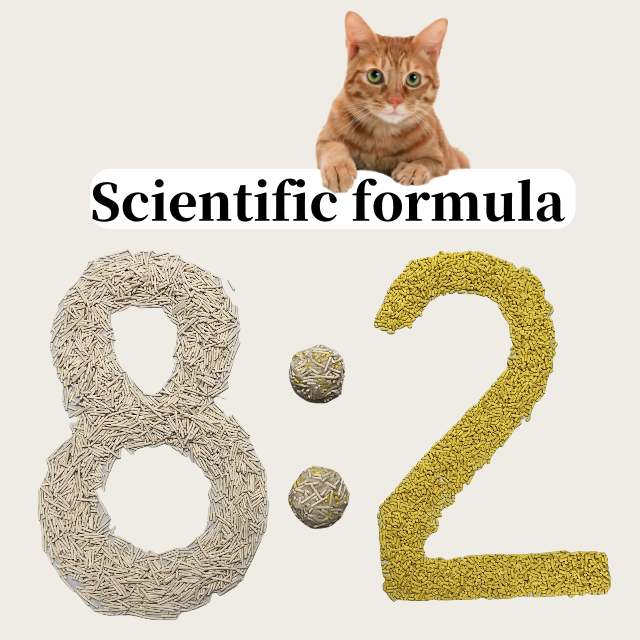
Crystal formulas appeal to consumers seeking maximum odor absorption. Porosity dictates their overall absorption capacity. Mixed litters represent a growing trend. Blending 70% tofu and 30% bentonite offers the benefits of both materials. This requires highly advanced blending capabilities. Poorly mixed batches will separate entirely during shipping vibrations.
Material Type | Core Sourcing Need | Key Quality Metric | Transit Risk Factor |
|---|---|---|---|
Tofu (Plant-Based) | Food-grade pea/soy dregs | Water dissolution speed | High moisture causing mold |
Bentonite (Mineral) | Premium sodium/calcium | Clump hardness (<3s speed) | High dust accumulation |
Mixed (Tofu + Bentonite) | Precise blending ratios | Consistent pellet distribution | Separation during transit vibrations |
Navigating pet product wholesale requires robust packaging solutions. Standout branding differentiates your product on crowded retail shelves. Leading factories offer multiple paths for brand integration.
Buyers typically choose between two main development paths. White Label (OEM) involves applying your brand artwork to an existing formula. This proven formula requires no research and development time. Custom Formulation (ODM) adjusts the product chemistry entirely. You can modify pellet sizes, introduce unique scent profiles, or add visual color indicators. Some brands alter mixing ratios to create an entirely unique market proposition.
Evaluate the supplier's ability to provide diverse packaging formats. Vacuum-sealed bricks save considerable shipping volume. They also prevent crumbling during transit. Durable multi-layered PE bags resist tearing under heavy pallets. Retail-ready stand-up pouches offer premium shelf appeal. The packaging must survive exceptionally rough international transit handling.
Custom packaging introduces several specific supply chain hurdles. Avoid these common mistakes during the design phase:
Design Misalignment: Submitting improper packaging design files causes immediate production delays.
Cylinder Costs: Printing custom bags requires physical copper cylinders. You must budget for these upfront tooling fees.
Language Compliance: Failing to include proper weight declarations violates local regulations. Missing warning labels can trigger customs seizures.
A reliable china litter manufacturer will offer full transparency. Many companies pose as factories but actually operate as middlemen. You must aggressively vet potential partners before sending deposits.
Middlemen add unnecessary markups and obscure origin accountability. Request specific evidence to verify their operational status. Ask for current business licenses detailing "manufacturing" rather than "trading" scopes. Request live video tours of the actual dust-extraction machinery. Ask to see the active packaging lines running. Furthermore, demand documented ISO9001 and BSCI audit reports. Verified factories eagerly provide these credentials.
Never rely on visual inspection alone. Conduct rigorous internal tests once samples arrive. This protocol guarantees objective performance evaluation:
Drop Tests: Form a clump and drop it from waist height. It should not shatter upon impact.
Ammonia Absorption: Apply diluted ammonia to test long-term odor control efficacy.
Dust Weigh-ins: Empty the sample bag entirely. Weigh the residual dust left at the bottom to verify extraction claims.
Credible suppliers openly discuss product limitations. They will explain natural color variations in plant-based litters. They do not promise impossible perfection. If a supplier claims zero dust or infinite odor control, proceed cautiously. Honest communication during the sampling phase strongly predicts long-term reliability.
Securing reliable wholesale cat litter china supply chains demands rigorous logistics planning. Order minimums, container payloads, and safety certifications dictate your overall strategy.
Buyers often misunderstand MOQ structures. You must differentiate between product MOQs and packaging MOQs. The physical litter might require a low commitment. However, custom printed packaging usually demands much higher minimums. Factories often require 10,000+ bags per design due to massive printing press constraints. You must fund this packaging inventory upfront, even if shipping only a partial load.
Cat litter represents extremely dense cargo. In shipping terms, it "weighs out before it cubes out." You will hit the maximum weight limit long before filling the container volume. Calculate payload maximums meticulously to optimize the cost per bag.
Container Size | Volume Utilization | Weight Payload Limit | Best Use Case |
|---|---|---|---|
20ft Container | Low (Often half empty) | Maxed out (approx. 20-24 tons) | Dense bentonite / Standard shipping |
40ft Container | Moderate | Maxed out (approx. 26-28 tons) | Lighter tofu litters / Mixed cargo |
Palletization requirements strongly impact port-of-entry compliance. Using slip sheets maximizes container space but requires specialized warehouse forklifts. Using traditional wooden pallets requires strict ISPM 15 fumigation certificates. Uncertified wood causes immediate customs rejections.
Never bypass independent third-party testing. Verify quality through organizations like SGS or Intertek. Plant-based litters require strict aflatoxin testing to ensure agricultural safety. All materials need heavy metal screening. Formaldehyde testing ensures safe chemical limits. Presenting these certifications protects your brand against product liability claims.
Narrow down your list of suppliers based on specific core competencies. Judge their transparency during the rigorous sampling phase. Ensure they can expertly handle your specific custom packaging requirements.
Take direct action to move your sourcing project forward. Request a detailed product catalog from verified factories. Confirm their standard MOQs for both formula and OEM packaging. Finally, order a mixed-sample box to begin internal performance testing. Complete these internal trials before ever committing to a full pilot container.
A: The product MOQ typically ranges from 10 to 15 tons. This volume roughly fills one standard 20ft container to optimize freight weight limits. However, custom printed packaging MOQs usually dictate higher initial commitments, often requiring 10,000 bags per design due to printing press constraints.
A: Initial OEM orders usually require 30 to 45 days. This covers custom packaging production and bespoke formulation. Following production, expect 15 to 40 days of ocean freight. The exact transit time depends entirely on your final destination port and current global shipping lane congestion.
A: Yes, reputable factories offer extensive ODM capabilities. They easily integrate activated carbon for odor control. They also blend customized deodorizing beads and apply proprietary scent profiles. Factories can adjust pellet colors using pet-safe dyes to match your specific retail branding guidelines.
A: Specify vacuum packaging for plant-based formulas like tofu litter. Require the supplier to use heavy-duty export cartons. Demand stretch-wrapped, reinforced pallets. Always hire independent third-party agencies to conduct Pre-Shipment Inspections (PSI). They will verify carton integrity and pallet stability before the container doors lock.