close
Choose Your Site
Global
Social Media
Views: 0 Author: Site Editor Publish Time: 2026-06-13 Origin: Site
The market for feline hygiene products has shifted significantly away from basic commodity purchasing. Today, consumers demand high-performance, specialized solutions for their homes. Driven by the rapid adoption of automated litter boxes, buyers expect flawless indoor air quality. Pet care brands must therefore source materials delivering verifiable, long-lasting results. Ignoring these strict demands often leads to rapid customer churn and brand degradation. This guide breaks down the manufacturing realities and evaluation criteria for a dual effect cat litter production line. We detail the shortlisting logic required to select the best suppliers. You will learn the technical framework necessary to thoroughly assess manufacturing partners. We explore clumping speeds, granule sizing, and advanced dust extraction methods. Ultimately, this comprehensive overview equips brand managers to confidently source and scale premium cat litter deodorizing products for modern pet owners.
Dual-effect functionality requires chemical or physical odor neutralization at the production stage, not just post-production scent masking.
Smart-device compatibility is now a baseline requirement for high quality pet litter, necessitating strict granule size and weight controls.
Production line capabilities dictate batch consistency; evaluating a manufacturer’s dust-extraction and material-bonding processes is critical before committing to bulk orders.
Scalable procurement relies on verifying a supplier's quality assurance (QA) protocols, particularly regarding moisture content and clumping integrity.
Brands face a critical business problem today. Consumers quickly abandon products relying heavily on artificial fragrances. These synthetic scents only mask underlying odors temporarily. Soon, they mix adversely with ammonia to create an unbearable smell. Buyers recognize this flaw instantly. Active odor neutralization requires advanced chemistry and physics. Superior deodorizing cat litter formulations use precise mechanisms to trap smells effectively.
First, consider physical absorption. Manufacturers use activated carbon, zeolite, or composite minerals. These porous materials physically trap volatile ammonia molecules. They act like microscopic sponges capturing noxious gases. The surface area of these additives determines their ultimate efficacy.
Second, enzymatic and chemical actions play vital roles. High-grade formulas integrate bio-enzymes or baking soda. These agents actively neutralize pH levels upon contact. They break down odor-causing bacteria before smells escape into the room. This chemical reaction offers permanent neutralization rather than a temporary cover-up.
Production integration separates mediocre items from elite products. You must carefully assess how the manufacturer blends these deodorizing agents. Premium lines bond active ingredients deeply into the granule core. They avoid applying simple surface coatings. Surface treatments often settle as dust during transit. Core-bonded formulas maintain their efficacy from the factory floor to the consumer's litter tray.
When sourcing premium clumping litter, evaluating physical performance remains non-negotiable. Cohesion and clump speed rank highest. You must evaluate the hydration rate of primary materials. Sodium bentonite or composite plant fibers typically serve as the base. Fast clumping instantly locks moisture at the surface. It prevents liquids from reaching the bottom of the tray. Puddled liquid remains a primary cause of bacterial growth and foul odors.
Next, examine structural integrity, often called friability. A solid clump must survive aggressive excavation by the cat. It must also withstand mechanical sifting by automated boxes. If it shatters into contaminated micro-particles, the entire box becomes soiled. Industry experts evaluate this using drop tests. They drop a weighted steel ball onto a cured clump. We recommend requesting standardized crush strength reports from your factory.
Dust reduction heavily depends on the manufacturing process. High-quality production lines utilize multi-stage dedusting procedures. They rely on triple-screened vacuum extraction to remove fine particles. Buyers must always request particulate matter (PM) specifications. You must ensure the final product meets strict respiratory safety standards. Both pets and human owners suffer from poorly dedusted clay or fiber. A robust quality assurance protocol guarantees safer handling and cleaner home environments.
Automated, self-cleaning litter boxes represent the new smart box standard. Rotating drum models possess strict consumable requirements. Non-compatible substrates cause frequent sensor malfunctions. They also create excessive motor strain. You must engineer odor control litter specifically for these automated systems to succeed.
Weight-to-volume ratio requires careful balancing. The substrate must remain heavy enough to trigger delicate weight sensors. However, it must be light enough to avoid exceeding the rotational motor's maximum torque capacity. Heavy clay often burns out internal motors over time.
Granule sizing dictates sifting success. Automated screens typically require granules sized between 1mm and 2.5mm. Oversized granules get wasted during the clean cycle. Undersized granules bypass the screen and fail to clump properly. Precision milling solves this issue at the factory level.
Anti-stick properties matter immensely. Formulations must balance high absorbency against low surface adhesion. This balance prevents the dreaded "cementing" effect. Sticky clumps quickly ruin automated rubber or silicone liners.
Review the automated compatibility evaluation chart below:
Metric | Target Range | Automated Box Impact |
|---|---|---|
Granule Size | 1.0mm - 2.5mm | Ensures proper passage through mechanical sifting screens. |
Density (Weight) | 0.8 - 1.2 g/cm³ | Triggers safety sensors without overloading rotational motors. |
Hydration Speed | < 3 Seconds | Prevents liquid from pooling and sticking to rubber machine liners. |
Dust PM Level | < 0.5% | Prevents optical sensor blockages and mechanical gear grinding. |
You must look deeply inside the factory walls to ensure consistent supply. Raw material sourcing and processing establish your product baseline. Verify the geographical origin and grading of base materials. Premium processing lines require highly consistent moisture baselines. Processing cannot begin if raw materials hold excessive ambient humidity. Factory technicians must utilize advanced moisture analyzers before milling.
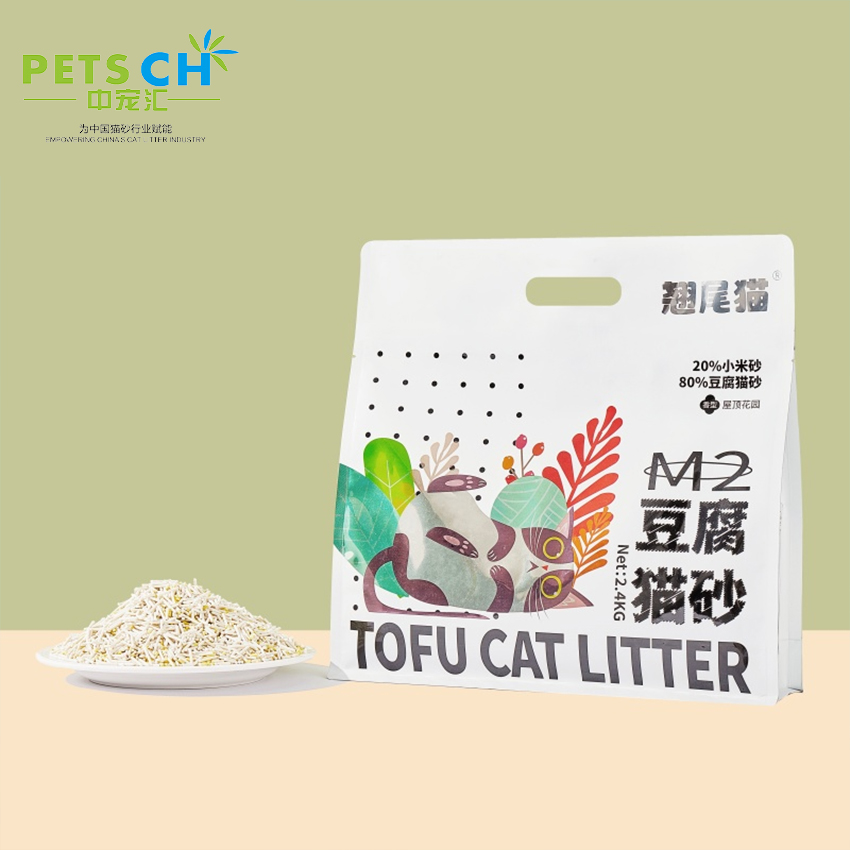
The 2-in-1 composite process defines modern manufacturing. Factories combine distinct materials to achieve multiple benefits. They might blend tofu or plant fibers with crushed bentonite. This dual approach achieves both flushability and rapid clumping. Achieving a homogeneous mix requires advanced industrial ribbon blenders. Poor blending creates inconsistent bags where some portions clump perfectly while others fall apart.
Quality Control (QC) gateways define a reliable supplier. You should look for these crucial checkpoints:
Pre-packaging moisture testing: This essential step prevents premature activation of clumping agents inside the sealed bag.
Crush strength testing: Factory technicians test sample clumps under controlled mechanical pressure to verify friability.
Batch-tracking systems: Serialized tracking enables swift recall management. It also ensures long-term consistency audits across multiple production runs.
Deodorization verification: Lab personnel expose samples to ammonia solutions to measure exact neutralization rates over a 24-hour period.
Manufacturers skipping these steps often ship compromised products. You should demand transparent reporting for every production run to protect your brand reputation.
Selecting a reliable supply partner demands rigorous shortlisting logic. First, evaluate customization versus off-the-shelf capabilities. Determine if the factory allows proprietary formulation tweaking. You might need specific carbon-to-clay ratios. Conversely, some factories only offer white-labeling of standard lines. Customization allows you to stand out in a crowded retail landscape.
Scalability and MOQ risks require careful financial review. Assess Minimum Order Quantities against realistic lead times. High-volume factories must prove robust supply chain resilience. They need stable access to raw minerals or agricultural byproducts. A supplier experiencing raw material shortages will ultimately stall your retail growth.
Compliance and export readiness ensure smooth global logistics. Verify required certifications for international shipping before signing contracts. Plant-based litters usually require phytosanitary certificates. Mineral-based options demand updated MSDS documentation. Furthermore, test packaging durability for palletized ocean freight. Weak corrugated boxes collapse under heavy mineral weights during transit.
When evaluating suppliers for high quality pet litter, always initiate a defined next-step action plan:
Request a production sample batch formulated to your exact specifications.
Conduct mechanical stress testing to simulate rough ocean and ground shipping.
Run automated litter box cycling trials to monitor stickiness and dust generation.
Negotiate a small pilot run before committing to extensive annual volumes.
Selecting an advanced manufacturing partner requires looking past superficial marketing claims. You must rigorously examine the factory's underlying technical infrastructure. Prioritize structural clumping integrity over basic color or artificial scents. Ensure the facility utilizes true chemical or physical deodorization methods deeply bonded into the granules. Demand strict dust-extraction processes to protect your end consumers and their pets. By holding suppliers to these technical standards, brand operators secure superior products. These refined formulas easily meet the rigorous demands of modern, tech-enabled pet owners. Your next phase involves initiating deep technical dialogue. Approach shortlisted suppliers and discuss their composite blending techniques openly. Request concrete batch consistency guarantees in writing. Always test physical samples within the intended automated hardware before signing major contracts.
A: It refers to a formulation engineered to simultaneously deliver rapid, hard clumping and active ammonia neutralization. This process typically requires a sophisticated composite manufacturing method rather than relying on a single raw material. It securely locks moisture while actively neutralizing odor.
A: Failures typically occur due to incorrect granule size, excessive dust, or slow absorption rates. Oversized granules fail to pass through sifting screens. Heavy dust quickly fouls delicate optical sensors. Slow absorption allows wet material to smear on the machine's rubber lining, creating unsanitary cementing effects.
A: Buyers should directly request the factory's dedusting methodology, such as triple-screened vacuum extraction. Additionally, require third-party or in-house laboratory reports. These documents must detail the exact percentage of airborne particulates generated under specific mechanical agitation conditions.
A: Yes, if poorly manufactured. Excessive non-clumping additives like large zeolite or carbon chunks can severely weaken the clump structure. Premium lines mill these additives to match the base material's exact density. This ensures homogenous distribution without compromising overall structural integrity.