
close
Choose Your Site
Global
Social Media
Views: 0 Author: Site Editor Publish Time: 2025-12-06 Origin: Site
Cat urine can create a strong, lingering odor. Whether it’s an accident or territorial spraying, eliminating the smell can be challenging. In this guide, you'll discover effective methods to neutralize and remove cat pee smell, ensuring a fresh and clean home for both you and your pet.
At Zhong Chong Hui (Xuzhou) Biotechnology Co., Ltd., we understand the importance of a clean, odor-free environment.Therefore, we have produced many high-quality products.
Cat urine contains high concentrations of ammonia, which is the primary compound responsible for its strong, pungent odor. Ammonia has an acrid scent that is particularly offensive when concentrated. This ammonia smell is further intensified by the breakdown of uric acid in the urine. Uric acid forms crystals that can adhere to various surfaces like carpets, fabric, and furniture, making it difficult to remove the smell. Over time, these crystals can also bond with odors, making them harder to eliminate without the proper cleaning products. Male cats, especially unneutered ones, tend to have a stronger urine odor due to elevated levels of certain hormones, particularly testosterone. This can make their urine smell more intense compared to that of female cats or neutered males.
The longer cat urine sits in a spot, the more it breaks down into ammonia and other volatile compounds, intensifying the smell. This is why fresh urine spots are often easier to clean, as they haven't had time to fully break down. However, if left untreated, cat urine can linger for a long time, and the odor can become more pervasive. Heat and humidity play a significant role in amplifying the odor, as warm, moist environments encourage bacterial growth, which contributes to the smell. This is especially true in warmer months when humidity levels are higher, allowing odors to linger in your home. Additionally, old urine stains that have soaked into carpets or furniture tend to be more stubborn, requiring repeated cleaning efforts to fully break down and remove the odor. The longer the urine is allowed to sit, the more difficult it becomes to neutralize the smell without specialized cleaning products.
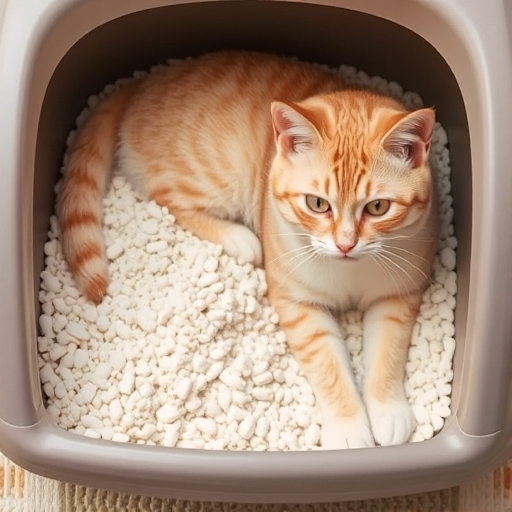
The first step in removing cat urine odor is to locate the source. If the urine is fresh, it may be easy to spot. For older stains, using a black light can help you identify hidden areas where your cat may have urinated. Make sure to clear the surrounding area for an effective clean.
When you discover fresh cat urine, immediately blot the area with a clean, absorbent cloth. Avoid scrubbing, as this can spread the urine further. Blotting helps to lift excess moisture out of the fabric or surface.
After blotting, use an enzymatic cleaner specifically designed for cat urine. These cleaners contain natural enzymes that break down the proteins in cat urine, effectively neutralizing the odor. If you don’t have an enzymatic cleaner, a mixture of equal parts vinegar and water can also work as a DIY solution.
For soft surfaces like carpets or furniture, sprinkle baking soda over the stained area after cleaning. Baking soda absorbs odors and can be vacuumed up after it has sat for a few hours. Follow up with a commercial enzymatic cleaner to ensure the smell is gone for good.
To prevent cat urine odors from lingering, regular cleaning is essential. Ensure that you clean your cat's litter box daily, as a dirty litter box can encourage them to pee outside it. Also, regularly wash any areas your cat tends to frequent, using a pet-safe cleaner.
If your cat is peeing outside the litter box, it might be due to stress, anxiety, or even health issues such as urinary tract infections (UTIs) or kidney disease. It’s crucial to consult with your veterinarian to rule out any medical conditions. Additionally, addressing behavioral issues through training or environmental changes can help reduce accidents.
Choosing the right litter is essential for odor control. Clumping cat litter, like CATSAN™ Hygiene Plus, is particularly effective as it absorbs moisture and contains odors better than non-clumping varieties. The right litter can significantly improve the overall cleanliness of your home. Tofu, plant-based, and mixed litters emphasize strong water absorption and clumping ability, making cleanup easier and more effective in controlling odors. For even better control, consider automatic self-cleaning litter boxes like the Neakasa M1, which can help prevent odors by cleaning the box after each use.
Vinegar is a natural deodorizer that neutralizes the ammonia in cat urine. Mix equal parts water and white vinegar in a spray bottle, and apply it to the stained area. Follow up by sprinkling baking soda on the spot and vacuuming it up after a few hours. This simple, affordable solution works well on most surfaces.
Hydrogen peroxide can also help remove urine odors. Mix one part hydrogen peroxide with two parts water and apply the solution to the stained area. Let it sit for 15 minutes before blotting it up. This will help break down the compounds causing the odor.
Enzyme-based cleaners are the most effective way to eliminate cat pee odor. These products break down the proteins and bacteria in cat urine, removing both the stain and the smell. Popular options include Nature’s Miracle® and other pet-safe enzymatic cleaners.
Avoid using bleach-based cleaners or products containing ammonia, as they can make the smell worse and might be harmful to your pet. Always check labels to ensure the cleaner is safe for use around animals.
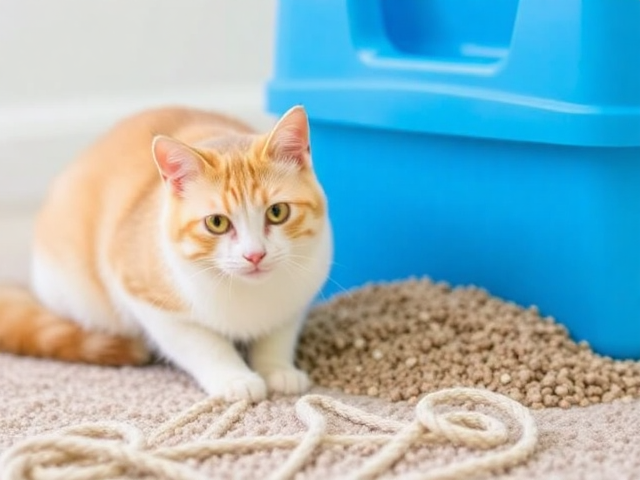
Clumping cat litter is ideal for odor control because it absorbs moisture and forms solid clumps, trapping odors inside. Mineral clay litter excels in absorption and forms firm clumps, while crystal litter absorbs moisture without clumping. Tofu and plant-based litters emphasize strong water absorption and clumping ability, making them great choices for odor control.
To keep odors in check, it’s essential to change the litter regularly. Scoop the litter box at least once a day, and replace all the litter weekly. Consider adding a deodorizer to the litter to help with odor control.
The placement of the litter box plays a significant role in managing odors. Place the box in a quiet, private area where your cat feels comfortable. Avoid placing it near food or water bowls, as cats are particular about their bathroom habits.
If your cat is avoiding the litter box, consider retraining them. Make sure the litter box is clean and large enough for your cat. Try different types of litter and reposition the box if necessary.
Stress can trigger inappropriate urination in cats. Identify the stressors in your cat's environment—like new people, loud noises, or changes in routine—and try to minimize them. Creating a calm, secure space for your cat can help reduce accidents.
If your cat continues to urinate outside the litter box, schedule a veterinary check-up to rule out underlying health issues like UTIs, kidney disease, or diabetes. Early detection and treatment can help prevent further accidents.
Cat Litter Type | Absorption & Clumping | Odor Control | Dust Production | Environmental Impact |
Clumping Clay | High, forms firm clumps | Excellent odor control | Moderate dust | Non-biodegradable |
Silica Gel | Absorbs moisture well | Strong odor neutralization | Low dust | Non-biodegradable |
Plant-Based | Good, natural clumping | Effective, natural odor control | Low dust, safe for pets | Biodegradable, eco-friendly |
Tofu-Based | Strong absorption & clumping | Neutralizes odors naturally | Very low dust | Biodegradable, flushable |
This table compares different cat litter types, showing their effectiveness in odor control, their absorption and clumping ability, dust production, and their environmental friendliness. The right choice of cat litter plays a significant role in keeping your home free of urine odors, ensuring a comfortable and odor-free environment for both you and your pet.
Removing cat urine smell requires prompt action and the right cleaning solutions. Start by blotting fresh stains and using enzymatic cleaners to neutralize odors. For long-term solutions, maintain a clean litter box and address any behavioral or health issues that may contribute to accidents. Products like Neakasa M1 cat litter boxes and enzymatic cleaners can help keep your home smelling fresh and free of urine odors.
At Zhong Chong Hui (Xuzhou) Biotechnology Co., Ltd., we offer effective odor control products designed to create a fresh, clean environment for both pets and their owners.
Tip: Regularly clean the affected areas, and consider using a black light to detect hidden stains that may still be contributing to the smell.
A: To get rid of cat pee smell, use enzymatic cleaners that break down the urine proteins. Blot fresh urine with a clean cloth and apply a natural solution like vinegar and water to neutralize the odor. Regular cleaning and using clumping cat litter can also help.
A: Cat urine contains ammonia and uric acid, which break down into compounds that produce a strong, pungent odor. This smell intensifies over time, especially if the urine is left to sit on surfaces like carpets or furniture.
A: The best way to remove cat urine smell from carpet is by using an enzymatic cleaner. These cleaners break down the proteins in the urine. If the stain is old, you may need to repeat the process to fully eliminate the odor.
A: Yes, baking soda is a great option for neutralizing cat pee smell. Sprinkle it on the affected area, let it sit for a few hours, and then vacuum it up. For stronger odors, combine it with vinegar for more effective results.


